
Introduction
In today’s digital-first world, creating food content that truly connects with readers is more than just about flavor — it’s about storytelling, visibility, and engagement. Whether you’re an aspiring food blogger, a seasoned chef, or an SEO professional aiming to boost culinary content online, mastering the art of optimizing recipes for both search engines and human readers is essential. The beauty of this process is that it allows creators to blend passion with performance, ensuring every dish not only looks delicious on-screen but also ranks effectively on Google.
A well-structured, data-informed food post can help your audience experience the aroma, texture, and emotion behind every ingredient. By the end of this article, you’ll understand exactly how to craft high-performing culinary posts that capture attention, drive organic traffic, and build a loyal following. Let’s explore each step in detail and turn your next kitchen creation into a digital masterpiece.
—
Step-by-Step Instructions
Creating content around recipes goes far beyond listing ingredients or writing instructions; it’s a structured process that aligns creativity with SEO optimization. Below is a step-by-step guide designed to help food bloggers and digital creators maximize their impact while staying authentic.
Step 1: Start with Data-Driven Topic Research
The foundation of any successful content strategy begins with research. Use tools like Google Trends, Ahrefs, or Semrush to identify trending dishes, seasonal ingredients, or cooking techniques. Pay close attention to search intent — are users looking for quick meals, comfort foods, or gourmet ideas? Aligning your topic with audience demand ensures higher search visibility and relevance.
Step 2: Optimize Content Structure with HTML and SEO Best Practices
When formatting your post, maintain a logical HTML hierarchy with proper use of heading tags (H1 for the main title, followed by H2 and H3 for subsections). This structure makes it easier for both readers and search engines to navigate the content. Use semantic markup to highlight elements like ingredients, preparation steps, and time estimates. Don’t forget schema markup for “Recipe” types — this increases the likelihood of your posts appearing in rich results and voice search.
Step 3: Tell a Story That Engages Emotionally
Food is emotional. Craft a compelling introduction that draws readers in with sensory details — the sizzle of olive oil, the aroma of freshly baked bread, or the crispness of seasonal vegetables. Storytelling builds connection, trust, and repeat visits. Remember, SEO thrives when engagement metrics like time-on-page and social shares increase.
Step 4: Incorporate Visuals and Multimedia Thoughtfully
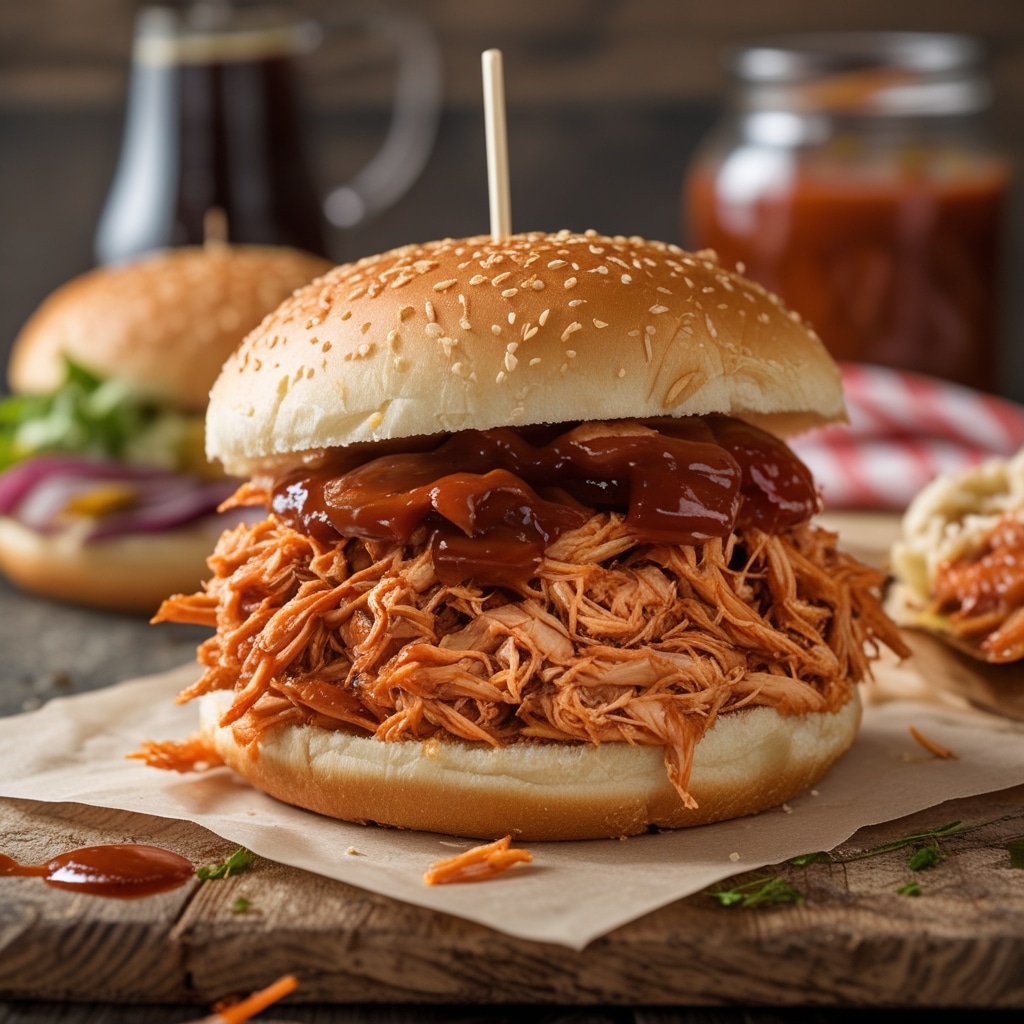
Photos should do more than illustrate; they should enhance comprehension and immersion. Use high-quality, compressed images to improve user experience and page speed. Consider step-by-step visuals or short videos for complex techniques — these can greatly increase dwell time and visibility in search results. Tools like Canva and Adobe Lightroom can optimize your visuals for both desktop and mobile.
Step 5: Write Effective Meta Titles and Descriptions
Your meta tags are digital first impressions. Include your focus keyword naturally, keep the title under 60 characters, and make the description around 155 characters. Add an emotional hook or power words that trigger curiosity or appetite appeal (“crispy,” “hearty,” “decadent,” etc.). This combination encourages a higher click-through rate from the SERPs.
Step 6: Leverage Internal Linking Strategies
Link to relevant articles or similar dishes within your website. For instance, if you’re posting a homemade pasta article, internally link to your “best sauces” or “meal prep” categories. This not only improves crawlability but also enhances topical authority — a major factor in modern SEO rankings.
Step 7: Measure and Adapt Based on Performance
Track performance through Google Search Console and Analytics. Monitor click-through rates, page load time, and user behavior. Adjust your structure, content, or visuals based on these insights to continuously refine engagement and search performance. The content creation process is iterative, not static.
—
Tips
1. Prioritize Readability and Accessibility
Short paragraphs, bullet points, and clear fonts improve readability, especially on mobile devices. Use alt text for all visuals — not only for SEO benefits but also for accessibility, ensuring your content is inclusive for all users.
2. Keep Keyword Placement Natural
Overusing focus terms can be counterproductive. Instead, weave semantic variations into your text — such as “meal ideas,” “culinary creations,” or “dishes.” Google’s advanced NLP algorithms reward natural, contextual writing.
3. Update Content Seasonally
Seasonal updates—like adjusting ingredients for summer or holiday editions—keep content fresh and relevant. It also provides opportunities for reindexing and social re-promotion, which can boost site authority over time.
4. Encourage User Interaction
Add interactive components such as polls, comment sections, or star ratings. User-generated content signals trust and relevance, affecting your reach and visibility positively.
5. Use Descriptive Image Filenames
Rename photos with descriptive terms (e.g., “gluten-free-banana-bread.jpg”) instead of generic ones like “IMG_1234.jpg.” This small detail contributes to image search optimization.
—
Alternative Methods
1. Incorporate AI Tools for Optimization
Generative AI tools like ChatGPT, Jasper, or Copy.ai can accelerate ideation and outline creation. Use them responsibly by refining tone, improving factual accuracy, and adding personalized insights. AI-assisted writing enhances productivity while preserving creative flair.
2. Experiment with Video SEO
YouTube and TikTok have become hubs for food discovery. Uploading recipe walkthroughs or chef tips with properly optimized video titles and captions increases your digital footprint. Cross-link videos back to blog posts to maximize visibility.
3. Utilize Voice Search Optimization
Voice assistants are changing search behavior. Optimize for conversational queries like “How do I make vegan lasagna from scratch?” Structure your answers succinctly within 40–50 words for compatibility with featured snippets.
4. Explore Interactive Recipe Cards
Interactive cards or embedded widgets make it easier for readers to save, print, or share your culinary content. This adds tangibility and practicality, enhancing user experience while boosting social shares.
—
Conclusion
As the digital landscape continues evolving, the intersection of creativity and optimization defines true content mastery. By strategically applying these principles, you’ll transform your recipes from simple instructions into immersive, searchable experiences that inspire readers and delight algorithms alike. Remember, every component—storytelling, visuals, meta data, and schema—works together to elevate visibility and authority.
The journey from kitchen to search results is a rewarding one. Keep refining, testing, and innovating; your audience will not only discover your content but savor every click, scroll, and share. Crafting optimized culinary posts is more than SEO — it’s the art of serving experience, one bite at a time.