
Introduction
Cooking at home has evolved beyond a daily necessity—it’s now a delightful craft of creativity and nourishment. Whether you’re preparing a quick weekday meal or indulging in a weekend culinary project, mastering essential home cooking techniques can completely transform your kitchen experience. In today’s post, we’ll explore how simple adjustments in timing, seasoning, and temperature can elevate your dishes to restaurant-quality standards. This approach is perfect for anyone exploring new recipes that blend convenience with flavor, creating wholesome meals that impress family and friends alike. Let’s dive into the world of mindful cooking and learn how a few well-executed steps can make a dramatic difference.
Step-by-Step Instructions
Cooking efficiently begins with preparation and organization—two crucial yet often overlooked steps. Before you turn on the stove, ensure every ingredient, utensil, and seasoning is within arm’s reach. Following these steps will not only streamline your workflow but also guarantee more consistent results when preparing your favorite recipes.
Step 1: Plan Your Ingredients
Begin by reading your recipe all the way through. Make a list of ingredients you’ll need and measure them precisely before starting. Use fresh produce whenever possible since freshness directly affects the nutrient content and flavor of your dishes. For instance, freshly chopped herbs provide a level of aroma that dried versions can’t replicate. Planning helps you anticipate cooking times, substitutions, and potential flavor profiles.
Step 2: Master Mise en Place
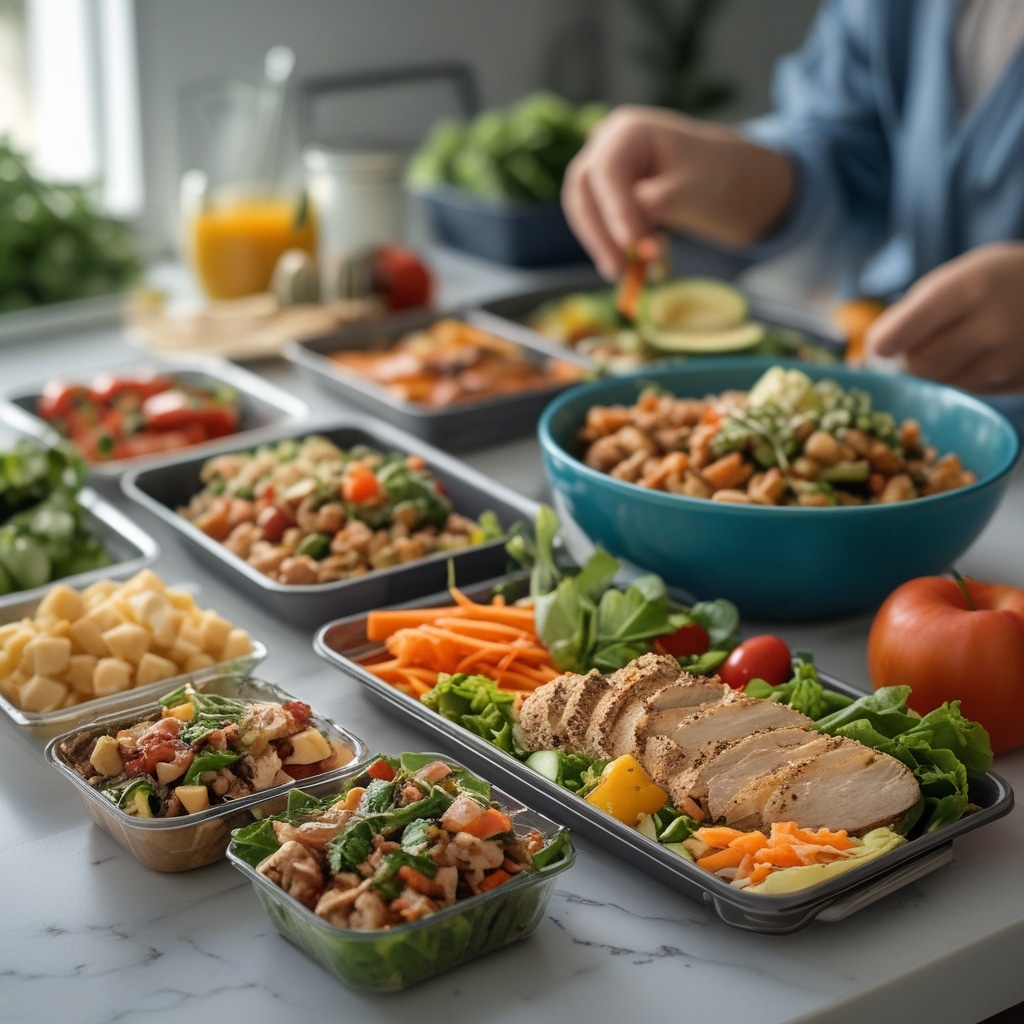
“Mise en place” is a French culinary term for “everything in its place.” It means organizing and preparing all your ingredients, tools, and cookware before cooking starts. This practice improves speed, minimizes stress, and prevents overcooking or burning due to last-minute scrambling. Keep ingredients grouped by the order they’ll enter the pan—spices together, vegetables chopped and separated, proteins seasoned and ready.
Step 3: Control Heat Levels
Heat management is one of the most vital aspects of cooking. High heat is ideal for searing and creating caramelization, while medium heat ensures even cooking, and low heat gently finishes delicate dishes. Investing in a good-quality thermometer can take the guesswork out of heat management, ensuring your proteins retain moisture and remain tender. Never be afraid to lower the heat—slow cooking often extracts deeper flavors.
Step 4: Season Thoughtfully
Seasoning is both an art and a science. Salt should enhance natural flavors rather than dominate them. Experiment with acidic ingredients such as lemon juice or vinegar, which can brighten flavors and balance richness. Layer your seasoning gradually—season proteins before cooking, taste sauces mid-way, and adjust before plating. A sprinkle of finishing salt or fresh herbs can transform an ordinary dish into something extraordinary.
Step 5: Perfect the Presentation
Visual appeal matters more than most home cooks realize. Clean plating, defined textures, and thoughtful garnishes elevate your food even when using humble ingredients. Choose contrasting colors and textures—a sprinkle of chopped greens on a bright soup or a dash of sauce around grilled meat instantly boosts visual impact. Remember, food aesthetics contribute to perceived flavor and enjoyment.
Tips
Cooking smarter doesn’t necessarily mean working harder. Here are essential tips professional chefs swear by to bring out the best in your meals, reduce waste, and enhance overall satisfaction:
- Use seasonal ingredients: Seasonal produce is not only more affordable but also richer in flavor and nutrients.
- Invest in quality tools: A sharp knife, a reliable pan, and a good cutting board can drastically improve precision and cooking efficiency.
- Taste and adjust: Continually tasting as you cook helps build deeper flavor balance. Subtle adjustments matter more than heavy-handed seasoning at the end.
- Stay patient: Allow foods to rest before serving. Resting meats ensures juices redistribute evenly, maintaining tenderness.
- Keep it clean: Wiping surfaces as you go minimizes clutter and prevents flavor contamination between ingredients.
Alternative Methods
Modern home chefs have access to incredible cooking tools and alternative methods that simplify meal preparation while maintaining authenticity and taste. Depending on your schedule, equipment, and dietary preferences, you can tailor these methods to suit your culinary goals.
Method 1: Slow Cooking
Ideal for busy schedules, slow cookers or Instant Pots allow you to combine ingredients, set the cooking time, and let the flavors develop gradually. This method is particularly effective for tougher cuts of meat, stews, and vegetarian curries that benefit from long simmering periods. The result? Deeply flavored dishes with soft, melt-in-your-mouth textures.
Method 2: Air Frying
Air fryers revolutionize how we enjoy crispy textures without excess oil. Ideal for everything from potato wedges to chicken fillets, this technique reduces calorie intake while maintaining flavor and crunch. It’s also faster to clean up compared to deep frying, making it a great solution for quick dinners.
Method 3: Sous Vide Cooking
Sous vide, meaning “under vacuum,” involves cooking food sealed in airtight bags submerged in a water bath at a precisely controlled temperature. This method ensures even cooking and consistency across every bite. Once cooked, a quick sear on a hot pan finishes the surface perfectly.
Method 4: Grilling and Broiling
Grilling adds a smoky, flame-kissed flavor that’s virtually impossible to replicate in traditional pans. Broiling, on the other hand, achieves similar results under direct high heat in your oven, ideal for finishing sauces or crisping cheese toppings. Both methods bring out caramelized sweetness and texture contrast.
Conclusion
Mastering home cooking is more than learning techniques—it’s a journey toward enjoying food as an experience rather than a task. When you intentionally organize your kitchen, season thoughtfully, and stay open to alternative cooking methods, you elevate your everyday meals to a new level of satisfaction. Whether you’re trying new recipes for weeknight dinners or experimenting with gourmet techniques, consistency and creativity are your best allies. With practice, confidence, and a bit of culinary curiosity, your kitchen becomes not just a workspace—but a source of joy, connection, and delicious transformation.